
Spring marks the start of peak season for sod and hydroseeding projects across Florida and the Southeast. Warmer temperatures, increased daylight, and more consistent rainfall create ideal conditions for turf establishment – but they also bring tighter schedules, higher demand, and limited flexibility.
Successful spring projects don’t start in spring. They start with early planning, coordinated timelines, and realistic expectations. Whether you’re managing a commercial development, municipal or highway project, proper timing can mean the difference between a smooth installation and costly delays.
Spring offers optimal growing conditions for warm-season grasses, but it’s also when sod availability be comes more competitive, installation crews are in highest demand, and weather windows can change quickly. Waiting too long to plan can push projects into less favorable conditions or force rushed decision that affect long-term turf performance.
One of the most common issues on spring projects is underestimating how early planning needs to begin. Key pre-season steps include confirming project timelines and milestones, coordinating grading, utilities, and paving crews, reviewing turf specifications and quantities, confirming availability of turf variety and quantity needed, and identifying specific erosion control needs. Locking in sod types and installation windows ahead of time helps prevent last-minute shortages and scheduling conflicts.
While spring generally supports strong turf growth, weather patterns can still impact installation schedules. Late cold snaps, heavy rain events, or extended dry periods can delay prep work and installation. Planning for flexibility means building buffer days into schedules, avoiding installation immediately before major rain events, monitoring soil moisture conditions closely, and adjusting sequencing when necessary. Well-timed installations reduce the risk of washouts, poor root contact, and rework.
Turf installation should always follow final grading and site stabilization rather than compete with ongoing heavy work.
Before sod or hydroseeding begins, final grade should be complete & approved, irrigation systems should be operational and tested (if applicable), soils should be conditioned and debris-free, and traffic on finished areas should be limited. Installing turf too early often leads to compaction, damage, or replacement – adding unnecessary cost to the project.
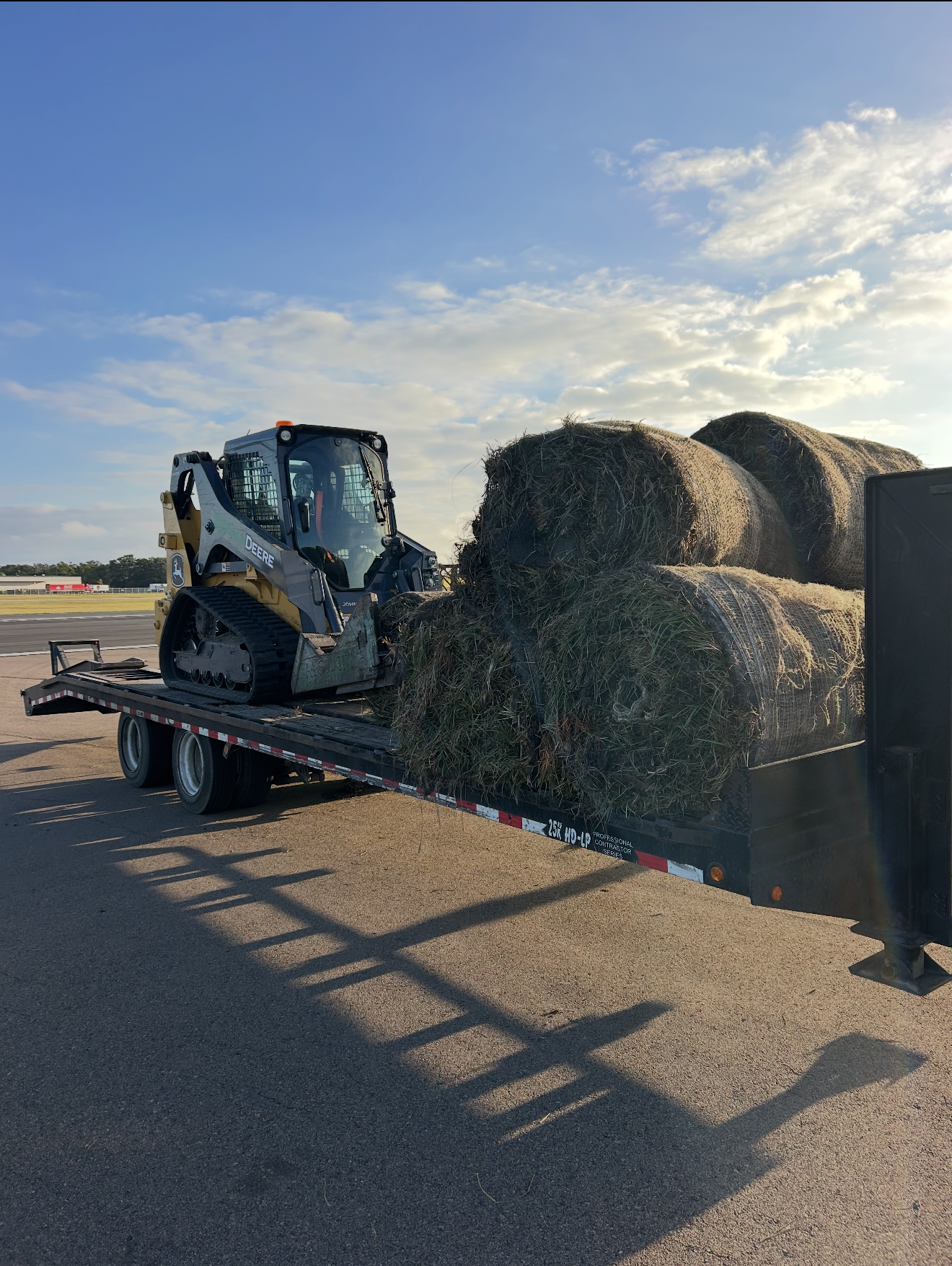
Spring increases demand increases across the industry, which can affect availability and logistics. Proper planning helps ensure sod arrives fresh and ready for immediate installation. Best practices include reaching out for schedule as soon as you are able, coordinating access for large trucks and equipment, and confirming quantities, varieties, and availability well in advance. Fresh sod combined with prepared soil gives turf the best chance to establish quickly.
Many commercial and municipal projects require turf to meet specific coverage and establishment standards before final acceptance. Planning should account for inspection timelines, establishment periods following installation, maintenance responsibilities during grow-in, potential re-inspections after weather events. Factoring these requirements into the project schedule helps avoid last-minute pressure at closeout.
Spring storms can be intense, particularly on exposed slopes or roadside areas. Integrating erosion control into turf planning is essential for project success. Depending on site conditions, this may include sod installation on critical slopes, hydroseeding for large or irregular areas, erosion control blankets, supplemental watering plans. Addressing erosion early protects both the turf and the surrounding infrastructure.
Spring provides an excellent window for turf installation – but only when preparation, timing, and coordination are handled correctly.
At Sunbelt Sod & Hydroseeding, we work with contractors and project managers to align turf installation with overall project goals. From scheduling and logistics to erosion control and establishment support, proper planning ensures turf performs as intended long after installation is complete.
If you’re preparing for a spring project, early coordination can save time, reduce risk, and deliver better results from day one.