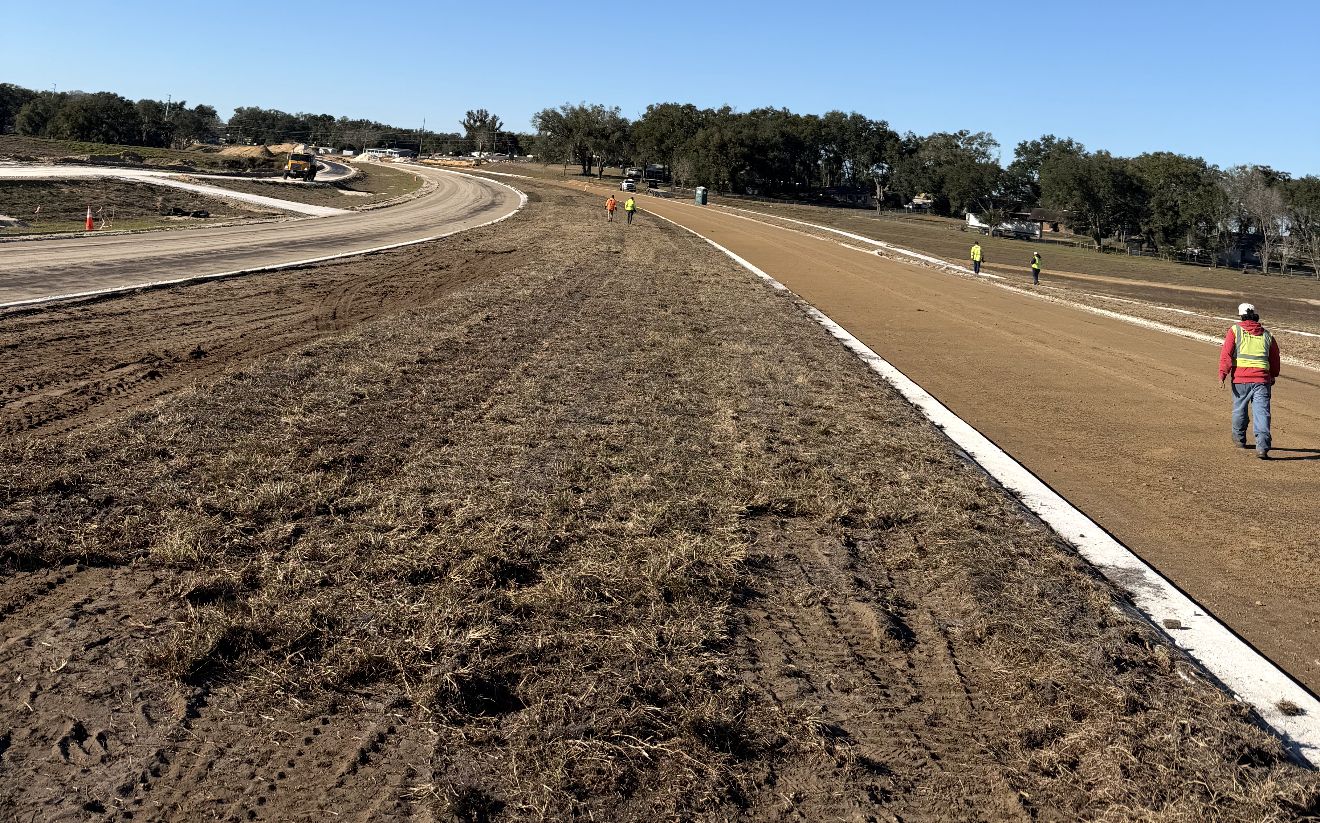

You may have noticed Bahia – whether in your lawn, pasture, or on the side of the road – losing its color as we experience intermittent cool weather & lack of rainfall. Our fields are no different. Now that we are in the end of January, we are seeing bahia completely browned out for the time being.
The good news? Bahia browning out during the winter is completely normal & expected. Between the cool temps, and lack of rain, it’s gone dormant & won’t green back up until we start getting rain & the temperatures at night are consistently warmer than 60 degrees. After that time, you will notice green sprouts popping through – the current blades on the grass will not green up, it will take time for new growth to come through.
As a whole, Bahia is a warm-season grass that thrives in Florida’s heat & sunshine. When temperatures drop & daylight hours shorten, Bahia naturally slows its growth and enters a dormant or semi-dormant state. During dormancy, growth significantly slows or stops, the grass conserves energy in its root system, clorophyll production decreases, and green color fades to tan or light brown. This process is a survival mechanism, not a sign of damage. Even mild Florida winters can trigger this response, especially combined with dry conditions.
Once night time temperatures consistently fall below 60 degrees, Bahia begins to react. Unlike cool-season grasses, Bahia isn’t designed to stay vibrant year-round. You may notice gradual color changes uniformly across the entire sodded area as well as slower recovery after mowing. This is expected & typically temporary. As spring temperatures rise, Bahia grass naturally greens back up.
Our winters here in Florida typically bring less rainfall & irrigation schedules are usually reduced or shut off altogether. While Bahia is drought-tolerant, extended dry periods can intensify winter browning. Without adequate moisture, dormant grass appear duller & lighter in color, sodded areas may look thinner, and recovery in spring may be slower if roots are stressed. However, this does not mean the grass is dead. Bahia grass has deep, resilient roots that help it bounce back once regular rains & warm temperatures return.
The bottom line is, if Bahia arrives on your site this time of year & its color scares you – don’t let it. If your Bahia that’s already installed on-site turns brown this time of year & that scares you – don’t let it. Chances are, it’s doing exactly what it’s supposed to do. We fully expect it to recover beautifully once spring arrives.